
Loading cart...

At YuMOVE, we know your dog is more than just a pet. They're a much-loved member of the family. So, it can be worrying when you notice changes in how they move or signs of joint stiffness.
Joint stiffness is often associated with older dogs, but some breeds may be more likely to experience it because of their size, build or genetics.
Every dog deserves support to help them stay happy and active. While it's important for all dog owners to know the signs of joint stiffness, you may want to pay a little extra attention to your dog's joint health if they're one of the breeds below. Let's take a closer look.
Stiffness can occur in any joint but is most commonly found in the shoulders, hips, elbows and knees.
Here are some signs to look out for in your dog:
Labrador Retrievers often stay playful and energetic throughout their lives, which is one reason they're such popular family pets. However, their large size, active lifestyle and genetics can make them more prone to joint stiffness.
Labradors can also be prone to weight gain. Carrying extra weight places additional demands on the joints, which may affect mobility over time.

Dachshunds are more likely to experience stiffness because of their long backs and short legs. This distinctive shape can place extra strain on the knees, hips and spine, particularly if they become overweight.
Even a healthy-weight Dachshund can place additional demands on their joints because of their body shape. Speak to your vet for advice on supporting your Dachshund's mobility throughout their life.

Spaniels (such as Cockers) are active, energetic dogs that often enjoy long walks, training and plenty of play. Over time, all that activity can place extra demands on their joints.
Larger Spaniels, such as Springer Spaniels, may be particularly prone to joint stiffness as they get older, so it's important to keep an eye on any changes in mobility.

Large, agile and highly intelligent, German Shepherds are widely recognised as one of the most versatile working breeds. Their size and build can also make them more likely to experience joint stiffness as they age.
Like many pedigree breeds, genetics may also play a role in their long-term joint health.

Pugs have a unique body shape that can place additional demands on their joints and mobility. Their short, stocky frame means they're more likely to experience joint stiffness as they get older.
When exercising your Pug, focus on gentle, low-impact activities, regular play and mentally stimulating games that help keep them active without placing unnecessary strain on their joints.

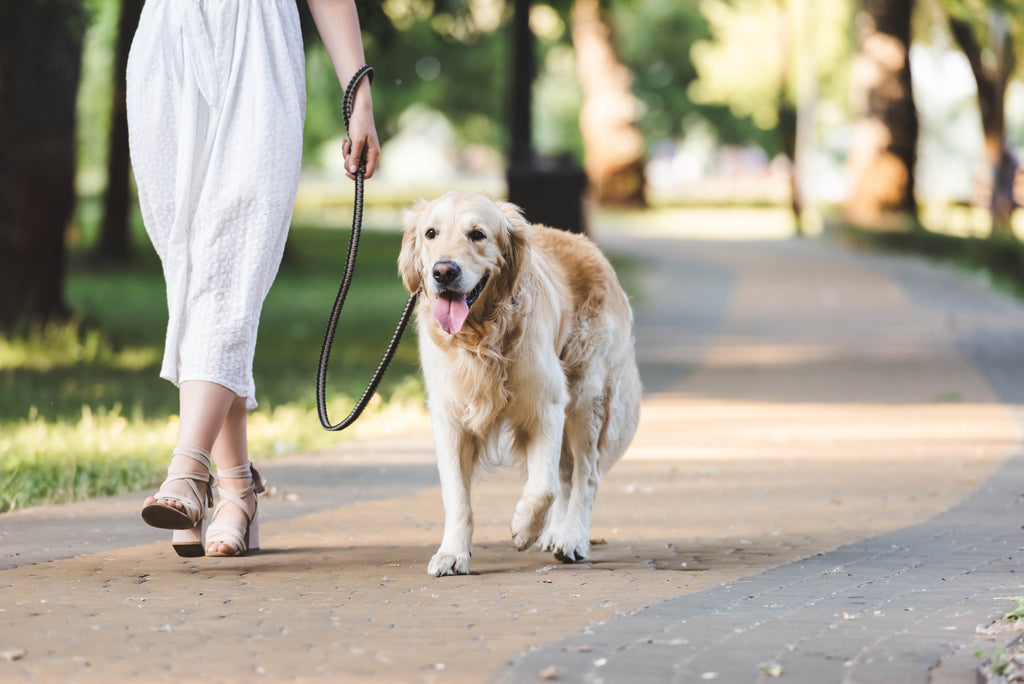
Golden Retrievers are active, friendly dogs that thrive on exercise, play and spending time with their families. They can also be more prone to certain health concerns that may affect mobility as they get older.
Keeping your Golden Retriever at a healthy weight and providing regular exercise can help support their overall wellbeing. Most Golden Retrievers enjoy around two hours of activity each day, including walks, games and training.
And they do love a game of fetch – it's in the name, after all – but keeping activities varied and appropriate for your dog's age and mobility can help support their joint health.
Rottweilers are powerful, muscular dogs with plenty of energy. Their size, strength and active nature can place additional demands on their joints over time.
Regular exercise, weight management and routine veterinary check-ups can all play an important role in supporting long-term mobility.

Unlike some of the breeds on this list, St. Bernards aren't always known for their enthusiasm for exercise. However, their giant size earns them a place on this list.
Their substantial weight places extra demands on their joints, so it's important to monitor their mobility as they age and speak to your vet if you notice any changes.

While some breeds may be more prone to joint stiffness, there are simple ways to support your dog's joint health at every stage of life:
Those early puppy days are full of zoomies, play sessions and endless curiosity. While regular exercise is important, it's equally important not to overdo it. Puppies are still growing, and excessive or very high-impact activity can place unnecessary strain on developing bones, muscles and joints.
As your puppy grows into adolescence, you may notice a surge in energy and confidence. Their bodies are still developing during this stage, so balancing exercise with plenty of rest is important. Excessive or high-impact activity can place additional strain on growing bones, muscles and joints.
Training, enrichment and appropriate exercise can all help channel that teenage enthusiasm in a positive way.
As dogs get older, it's natural for them to slow down a little. You know your dog best, so it's often the small changes that are worth paying attention to.
If your dog is sleeping more than usual, slowing down during walkies or finding everyday activities more challenging, speak to your vet. They can help assess your dog's joint health and advise on the best way to support them.
Important health information: The content of this blog is for information purposes only and isn't a substitute for professional veterinary advice. If you're worried about your pet's health, please contact your vet.
Previous article
Dog food allergies: Signs, causes and what...Upcoming article
Heat stroke in dogs
Great adventures to keep your older dog living their best life

If you’ve noticed your dog slowing down on walks, having difficulty climbing the stairs or finding it harder to get up after a nap, this guide will give you simple but effective ways to manage your pup’s pain and keep their tail wagging.

We know our pets can’t tell us when something hurts, so it’s good to understand what causes clicking in dogs' legs. Read on to discover the causes of clicking joints in dogs and our tips and care guidelines.

Join our email list for special offers and the latest news. PLUS get 50% off your first 2 months** when you Subscribe & Save.
We'll be in touch!
You're now signed up to receive tips, updates, and offers to help keep your pet happy and healthy.

Enter your email for us to save your basket and receive all our special offers
Close the box to stay on the page