
Loading cart...

Running with your dog can be one of the best ways to spend time together. Fresh air, a steady rhythm and a happy dog by your side – what’s not to love?
As the weather starts to warm up, it’s a great time to get outside more. But just like us, dogs need time to build up fitness. And what feels like an easy jog for you might be much more demanding for them. So before you lace up, it’s worth knowing how to start running with your dog safely.
Not all dogs are natural runners. Some will happily trot alongside you for miles, while others are better suited to shorter, slower outings.
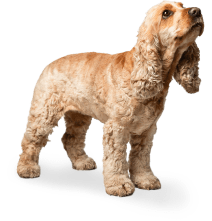
Breeds with lots of energy, like Spaniels, Collies and Pointers, often enjoy running with their owners. But flatter-faced breeds, older dogs or those with existing joint concerns may find it harder to keep up.
The key is to focus on your individual dog, not just the activity.
This is one of the most important things to get right. Young puppies are still growing, and their joints need time to develop properly. Running too early can put unnecessary strain on their bodies.
As a general guide, most dogs can start running once they’re fully grown, but this will vary depending on breed and size.
Fran Blake, YuMOVE’s in-house vet, says:
“It’s important to wait until your dog is fully grown before introducing running. Their joints are still developing when they’re young, and too much repetitive exercise too early can place extra strain on growing bones and joints. If you’re unsure, your vet can help guide you based on your dog’s breed and stage of development.”
If you’re new to running with your dog, the key is to take it slowly.
Start with short distances and build up gradually. Let your dog set the pace at first, and pay attention to how they move and recover afterwards.
Simple ways to get started:
This helps your dog build confidence and fitness without overdoing it.

If you’re running in public spaces, your dog will usually need to be on a lead.
A hands-free running lead can make things much easier, giving both of you more freedom to move comfortably. It also helps keep your pace steady and avoids sudden pulling.
It’s worth practising walking and jogging together first, so your dog learns to stay alongside you rather than zig-zagging across your path.
There’s no one-size-fits-all answer.
For some dogs, a short run is plenty. For others, a 5k run with your dog might feel like the perfect outing. But just because that distance feels manageable for you doesn’t always mean it’s right for them.
The important thing is to build up gradually and watch how your dog responds. Every dog has their own pace, energy levels and limits.
 Discover the right product for your dog
Answer a few simple questions to find the best joint supplement for you dog
Discover the right product for your dog
Answer a few simple questions to find the best joint supplement for you dog
Warmer weather needs extra care. Dogs can become too warm much more quickly than we do, especially when running. If it feels warm to you, it’s likely even warmer for them. If you’re unsure whether it’s too warm, it’s best to let them sit this one out.
Try to:
Fran Blake, YuMOVE’s in-house vet, says:
“Running with your dog can be a great way to exercise and spend time together, but it’s important to remember they won’t be able to join you on every run. Dogs don’t regulate heat in the same way we do, so they can overheat quickly, even in conditions that don’t feel particularly hot. Heatstroke is a serious risk during exercise and can happen at lower temperatures than many people expect. If you’re ever unsure, it’s safest to skip the run that day.”
Your dog won’t always tell you when they’re tired, so it’s important to spot the signs early.
Look out for:
If you notice any of these, it’s time to pause and let them recover. And if you have any concerns about your dog, it’s always best to check with your vet.
Running together can be a great way to keep your dog active and engaged. And as their routine evolves, their needs can change too – especially when it comes to joint support.
Providing the right support can help keep them moving comfortably, so you can enjoy more walks, runs and everyday moments together.
If you’re unsure about the best exercise plan for your dog, it’s always a good idea to check in with your vet, who can guide you on what’s right for them.

Previous article
Top dog-friendly beaches in the UKUpcoming article
How to adapt your home for your senior dog
Answer a few quick questions and we'll match you with the right YuMOVE support for your pet. Tailored recommendations backed by science and loved by vets.


Understand why dogs moult, when it happens and how to manage it.

In this blog, we look at common symptoms, potential causes and effective remedies so you can manage your dog’s digestive health with confidence. Of course, your vet will also be happy to help if you have any concerns.

Does your dog need a multivitamin? Discover YuM MEGA MultiVits and find the right formula for them.

Join our email list for special offers and the latest news. PLUS get 50% off your first 2 months** when you Subscribe & Save.
We'll be in touch!
You're now signed up to receive tips, updates, and offers to help keep your pet happy and healthy.

Enter your email for us to save your basket and receive all our special offers
Close the box to stay on the page


